Our Blog
Useful articles and news

Staffing crisis in Italy: there is a shortage of IT specialists, construction workers and drivers
The paradox of the Italian labour market is becoming increasingly apparent: the number of job vacancies is rising, yet it is becoming ever more difficult to find staff for many professions. The labour shortage affects not only high-tech sectors but also quite ordinary professions — from bus drivers and healthcare workers to construction workers, tourism staff and those in the cultural sector. According to Italian media reports (Rai News, Corriere della Sera, La Repubblica and La Stampa), the labour shortage in Piedmont’s transport sector is forcing employers to look for staff outside Italy. For example, the bus company Atap, which operates in the provinces of Biella and Vercelli, has begun recruiting new drivers in Morocco. To this end, a special project to attract foreign workers has been launched with the support of the Moroccan Consulate. The reason is an acute staff shortage. The region needs over 8,000 drivers, whilst there are only around 5,300 potential candidates. The situation is no better in the healthcare system. The Piedmont region is short of more than 6,000 doctors and nurses, whilst there are just over 4,300 available specialists. This is precisely why healthcare facilities are increasingly recruiting staff from abroad, and current legislation allows doctors to work until the age of 72–73. At the same time, demand for IT specialists is also growing. The region needs over 2,500 software developers, but it has not yet been possible to find the required number of specialists. According to UA Service Hub, the staff shortage is particularly acute in the tourism and culture sectors. Indeed, there are only 183 potential candidates for nearly 21,000 vacancies. These include tour guides, librarians, entertainers, sound engineers, and staff at museums and exhibition centres — professions without which the tourism sector cannot function properly. There is also a shortage of skilled construction workers and manual labourers. At the same time, the opposite situation is observed for low-skilled roles. For example, more than 12,000 people are applying for unskilled industrial jobs, whilst employers are offering fewer than 4,000 vacancies. Experts note that the situation in the labour market is changing not only due to technological developments. Key factors include an ageing population, demographic decline, the rapid growth of the service sector, and a shift in young people’s attitudes towards professions involving heavy physical labour or low pay. Today, Italy is increasingly facing a new reality: simply creating jobs is no longer enough. The main question is a different one — where to find people who are willing to take them.
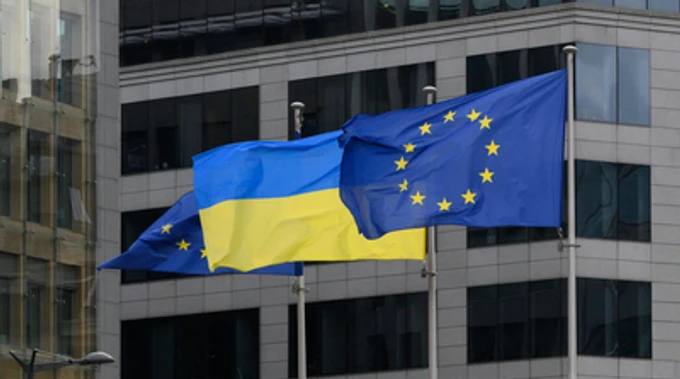
The EU has extended temporary protection for Ukrainians until 2028: there are conditions for men
The Council of the European Union has endorsed the extension of the temporary protection mechanism for Ukrainian citizens until 4 March 2028. This means that Ukrainians will continue to be able to live, work and access healthcare and social services legally, as well as ensure their children have access to education in EU countries. ⚠️ At the same time, a new condition is being introduced for future applicants. Once the decision comes into force, temporary protection will, as a rule, not be granted to persons who left Ukraine without the right to do so under Ukrainian legislation on military service. This rule will apply only to new applications for temporary protection status. ✅ For Ukrainians already under temporary protection in EU countries, nothing will change. Their status will remain valid and will not be reviewed under the new rules. 📌 The decision will enter into force following its official publication in the Official Journal of the European Union. UA Service Hub continues to monitor changes in European legislation and keep Ukrainians in Italy and other EU countries informed about the most important news

The UKRO Ukrainian Culture Festival invites artists to take part
In October 2026, the Italian town of Treviglio (in the province of Bergamo) will host UKRO – Festival della Cultura Ucraina — one of the most famous cultural events of the Ukrainian diaspora in Italy. The UKRO Festival was founded in 2015 and has been promoting Ukrainian culture in various Italian cities for over ten years. During this time, it has brought together hundreds of artists, dozens of community organisations and thousands of spectators, becoming an important platform for cultural dialogue between Ukraine and Italy. The organisers invite the following to take part: 🎤 singers and music bands; 💃 dance troupes; 🎭 theatre groups; 🎨 artists and folk craftspeople; 👗 designers of Ukrainian clothing; 🍯 producers of traditional Ukrainian goods and gastronomic brands. According to UA Service HUB, both professional and amateur creative groups, individual performers, decorative and applied arts craftspeople, community organisations and entrepreneurs representing Ukrainian culture are eligible to take part in the festival. To take part, you must submit an application to the organisers and agree on the format of your performance or product presentation. Places are limited, so it is recommended that you register in advance. Festival guests can look forward to two days filled with Ukrainian music, folklore, art, gastronomy, creative workshops and a friendly atmosphere. Please note that a coach transfer will be organised for participants from southern Italy: 🚌 departure from Naples — 3 October 2026; 🚌 return from Treviglio — 4 October after the festival has ended; 📍 arrival in Naples — on the morning of 5 October. If you’d like to showcase your work, reach a new audience, meet fellow artists and join the largest Ukrainian cultural movement in Italy — UKRO is waiting just for you! For detailed information on participation and registration, please contact the organisers via the festival’s official Facebook and Instagram pages.
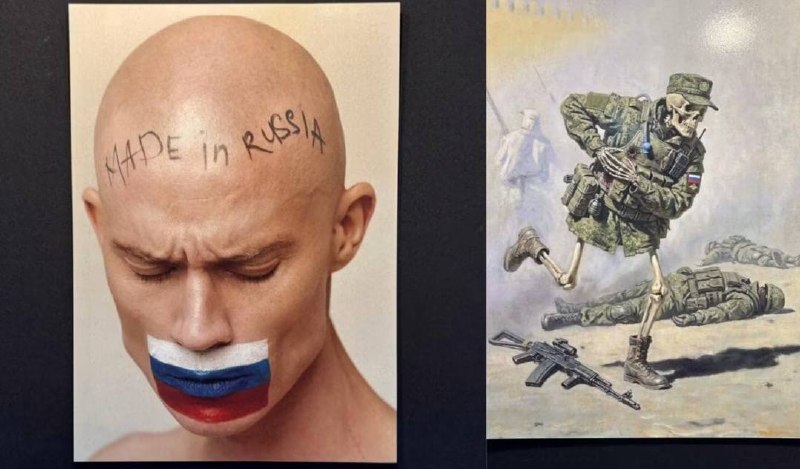
A Voice of Freedom in Venice: a new pavilion dedicated to resistance against Russian aggression
The ‘Padiglione del (Dis)Senso’ — an independent space for artistic resistance — has opened in Venice. In Venice, as part of the 61st Venice Biennale, the Padiglione del (Dis)Senso (‘Pavilion (Dis)Senso’ — an independent art platform dedicated to creative freedom, human rights and resistance to political repression — has opened in Venice as part of the 61st Venice Biennale. The exhibition will run from 7 July to 7 August in the former Church of San Leonardo. The opening symbolically took place almost 50 years after the historic 1977 Biennale del Dissenso, which became a landmark event for the artistic dissident movement. The project was conceived by the Arts Against Aggression initiative and organised by Memorial Italia in collaboration with Katya Margolis. It emerged as a response to the exploitation of culture for political ends, as well as a continuation of artistic protests against Russia’s state presence at international cultural venues. The exhibition brought together artists, curators and activists from various countries. The central themes were political repression, human rights, exile, cultural memory and the role of art as a form of resistance. Among the most significant projects were: an installation by Nadezhda Tolokonnikova (Pussy Riot), dedicated to the works of political prisoners; the DecolonizArt project by artist Pavlo Rotets, exploring the memory and cultural identity of colonised peoples; the Little Queer Art Project — an exhibition dedicated to LGBTQ+ artists and dissidents in exile; the installation ‘Death in Venice’ by the Latvian artist Kriss Salmanis; Invisible Pavilion — an urban memorial campaign dedicated to Ukrainian artists who lost their lives as a result of the war. The project was initiated by Katya Margolis in collaboration with NAU (Network Associazioni per Ucraina). The pavilion also features works by Danil Tkachenko, Nadiya Skidan, Iryna Regina Hoffmann, Filip Pishchyk (Bluemoloko), Katya Margolis and other contemporary artists. The organisers emphasise that ‘The (Dis)Agreement’ is not merely an exhibition, but a space for dialogue, reflection on contemporary challenges and a collective re-examination of the role of art in times of war and social upheaval. According to the organisers, on 4 June 2026, the Russian authorities added the organisation Memorial Italia to the list of ‘extremist and terrorist’ organisations. This decision relates to the legislation of the Russian Federation and does not imply international recognition of such a status.
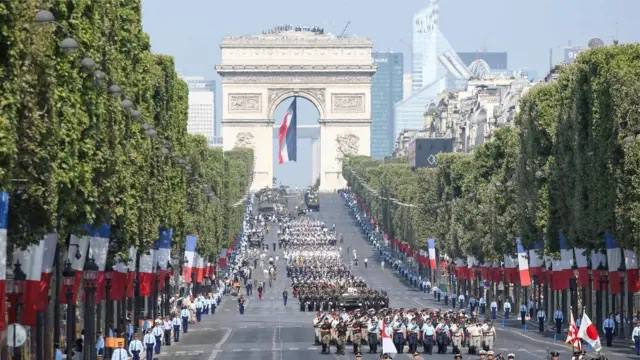
‘The Awakening of Europe’: Ukrainians to take part in a military parade in Paris
The military parade to mark Bastille Day, which will be presided over for the tenth and final time by French President Emmanuel Macron, is set to be one of the most spectacular yet – with a record number of troops taking part in the march. Among them, for the first time, will be Ukrainians. Alongside them, representatives from 35 countries of the ‘Coalition of the Willing’ – established by France and the United Kingdom to support Ukraine’s security – will take part in the parade. ‘This is a historic parade, as it is international in nature – it marks the awakening of Europe, which is taking its destiny into its own hands, – and because it will be on a grand scale,” officials at the Élysée Palace promised. The number of parade participants this year will be a record high – 6,800 military personnel will march across the Champs-Élysées, 15 per cent more than last year. There are also plans to increase the number of military vehicles and aircraft by 30 per cent. As noted in the statement, for the first time the parade will feature “aircraft equipped with simulated weaponry”, as well as helicopters that “will fly over the tanks to recreate what might happen on the battlefield”. According to media reports, this is intended to be not merely a spectacle, but a strategic signal.
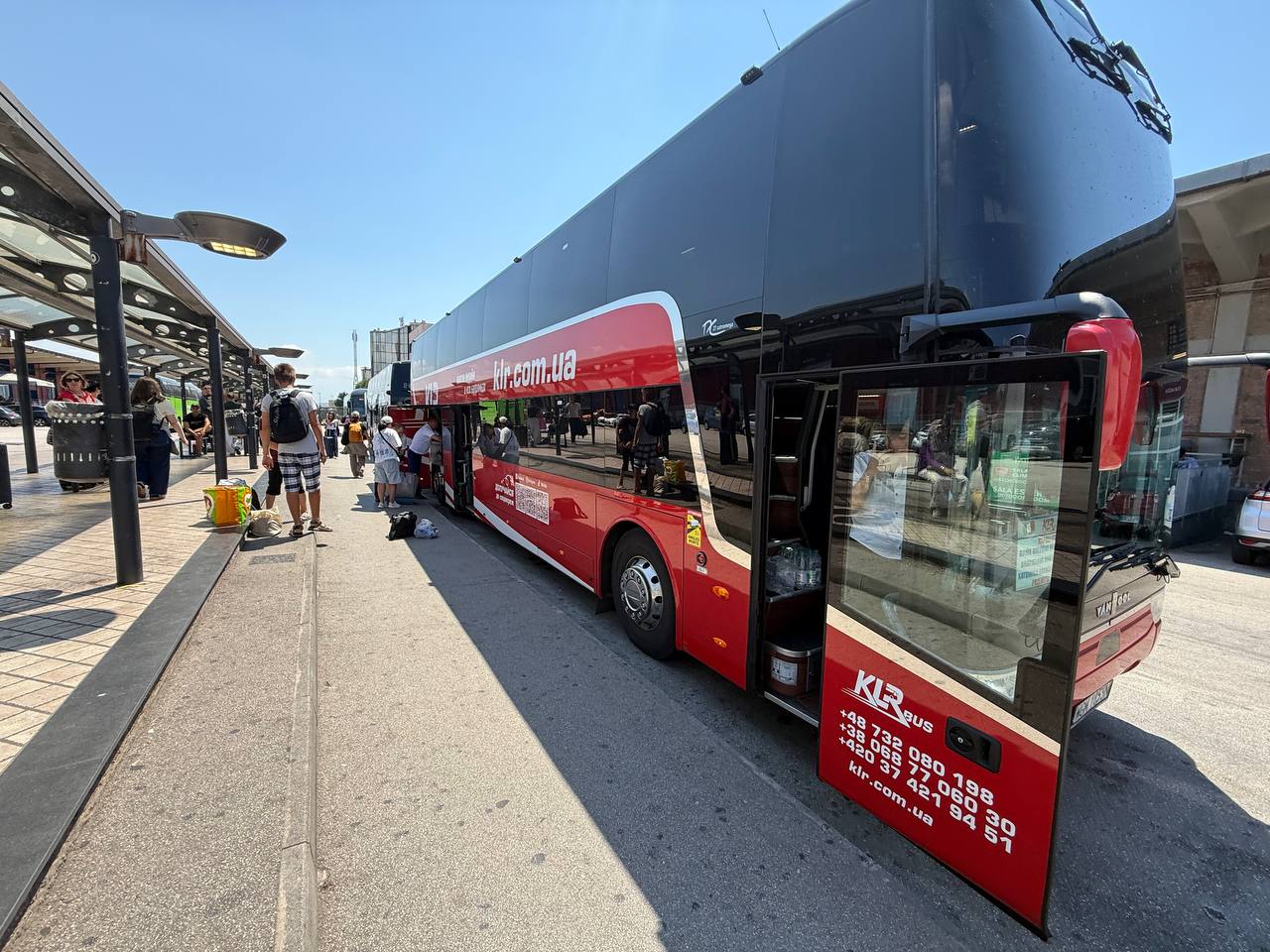
Travel between Ukraine and Italy has become more comfortable: the transport operator KLR has entered the Italian market
KLR, a major international coach operator, launched a regular service between Ukraine and Italy in mid-June. Coaches depart from Italy every Wednesday and Sunday. The route starts in Naples and covers a number of the country’s largest cities, including Rome, Florence, Bologna, Rimini, Genoa, Milan and Brescia, providing convenient connections for Ukrainians living in Italy, as well as for anyone travelling between the two countries. Passengers are offered a high level of comfort during long journeys. The coach interiors are fitted with soft seats featuring footrests and the option to increase the space between adjacent seats. The coaches are equipped with a toilet, and passengers are offered free tea, coffee and water during the journey. Additional services include free and reliable Wi-Fi, background music and USB sockets for charging mobile devices, making the journey even more comfortable. KLR’s entry into the Italian market expands travel options between Ukraine and Italy, offering passengers a modern service and a high level of comfort on international routes. According to UA Service HUB, a 20 per cent discount is available on ticket bookings until the end of summer. For further information, please contact the company’s official representatives in Italy on the following numbers: +393476715539; +380974900623; +393762678909
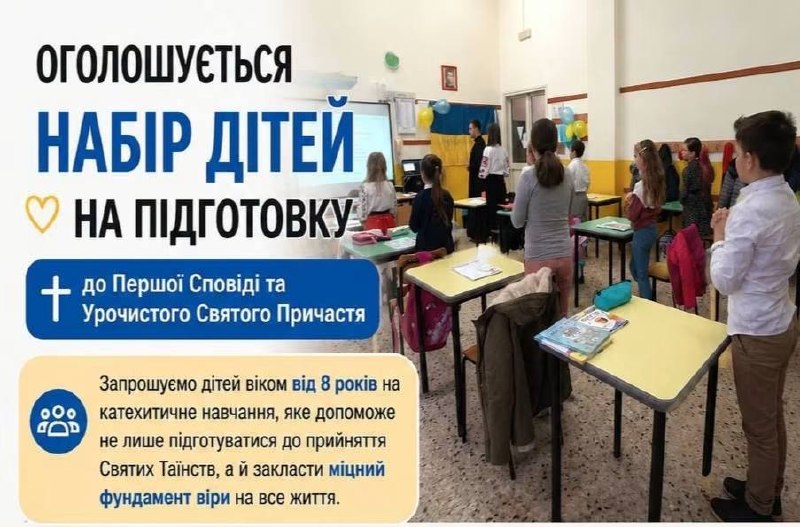
Young Ukrainians living in Naples and the surrounding area are invited to attend a modern church school
The Ukrainian community in Bagnoli (Naples) and Giuliano in Campania invites children aged 8 and over to attend catechism classes in preparation for their First Confession and Solemn First Holy Communion. The programme is designed not only to help children prepare to receive the Holy Sacraments, but also to lay a solid spiritual foundation that will serve as a pillar of support throughout their lives. The course begins on 6 September 2026. Classes will take place twice a week: one lesson online and one in church. Modern interactive teaching methods will be used during the catechism classes, including presentations, video materials, creative tasks and lively discussion. This format will help children to discover God with enthusiasm, gain a deeper understanding of the Christian faith and learn to live it out in their daily lives. The catechism classes will be led by Fr Andriy Shabanov, chaplain to the Ukrainian community in Bagnoli (Naples) and Giuliano in Campania. Registration and further information: ☎️ +39 351 983 3797 (Fr Andriy Shabanov)
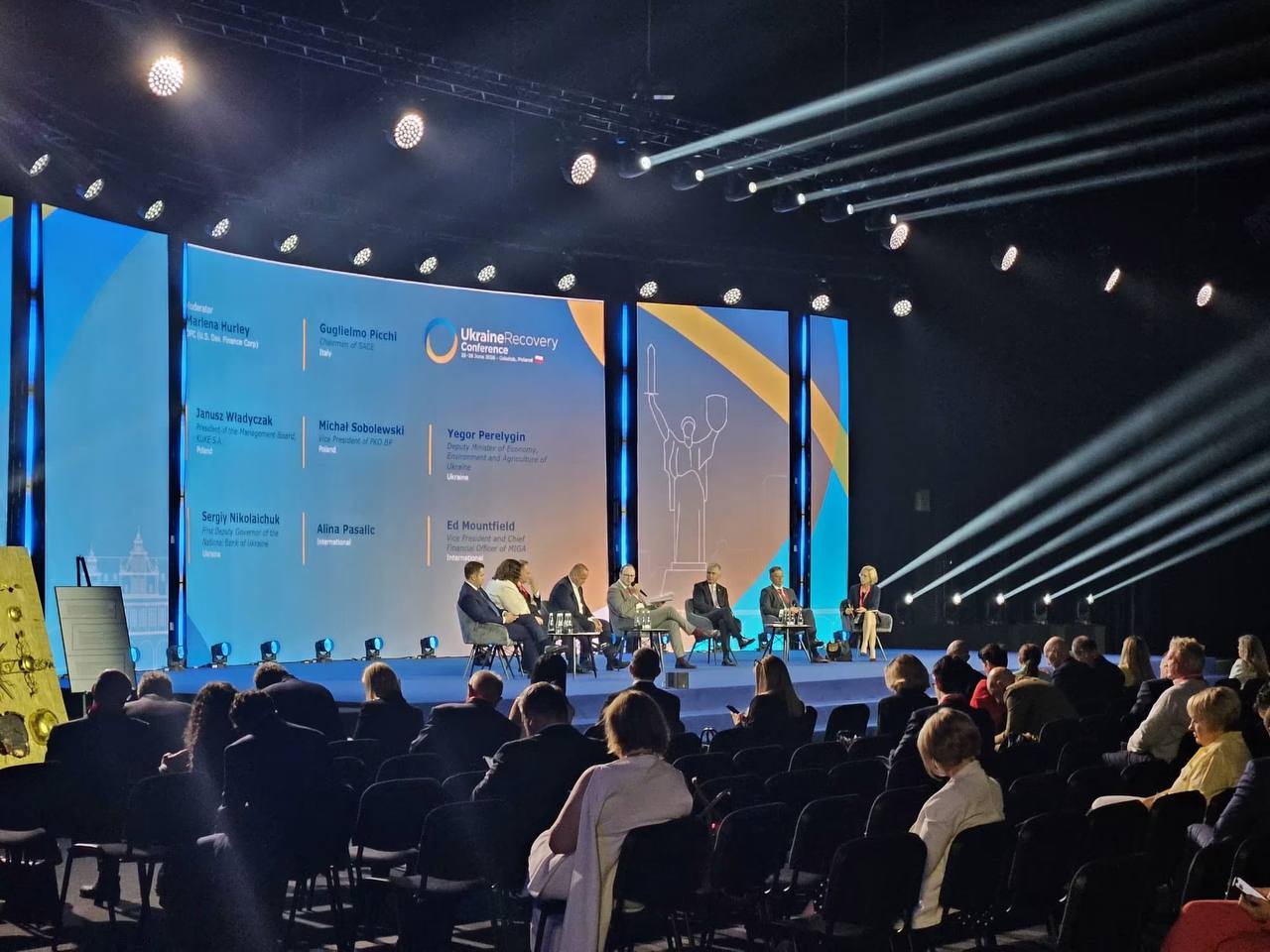
NAU represented the Ukrainian community in Italy at the Ukraine Recovery Conference 2026
From 24 to 26 June, the Ukraine Recovery Conference 2026 (URC2026) – one of the leading international conferences dedicated to Ukraine’s recovery – took place in Gdańsk (Poland). NAU – the Italian network of Ukrainian associations – took part in the forum, reaffirming the active role of the Ukrainian diaspora in the international dialogue on the country’s post-war reconstruction. The conference brought together heads of state and government, representatives of international financial institutions, the diplomatic corps, local authorities, the business community and civil society. A key component of the event was the participation of Ukrainian organisations abroad, which are becoming increasingly active in forging international partnerships and supporting Ukraine. According to UA Service HUB, initial contacts were established during the conference with the Ministry of Community and Territorial Development of Ukraine, opening up opportunities for further cooperation. Talks were also held with representatives of the Ministry of Economy of Ukraine, diplomats, heads of Ukrainian regions, international partners and representatives of Italian business, in particular Confindustria. Discussions centred on attracting investment, post-war reconstruction, the development of international partnerships and the role of civil society in Ukraine’s reconstruction. NAU was represented by the organisation’s president, Dmytro Shchukin, who held a series of working meetings with representatives of Ukrainian ministries, international organisations, local authorities and the business community. “Reconstruction is not just about rebuilding buildings and infrastructure. It is, first and foremost, about trust, partnership and strong ties between people, communities, states and business. It is civil society organisations that can serve as an effective bridge between Ukraine, Italy and the whole of Europe,” NAU states. The network emphasises that the agreements reached during URC2026 will form the basis for further working meetings and joint projects in the coming months. It should be noted that NAU continues to work on strengthening cooperation between the Ukrainian community in Italy, Ukrainian state institutions, international partners and the business sector, thereby contributing to Ukraine’s recovery and the development of new opportunities for Ukrainians in Europe.
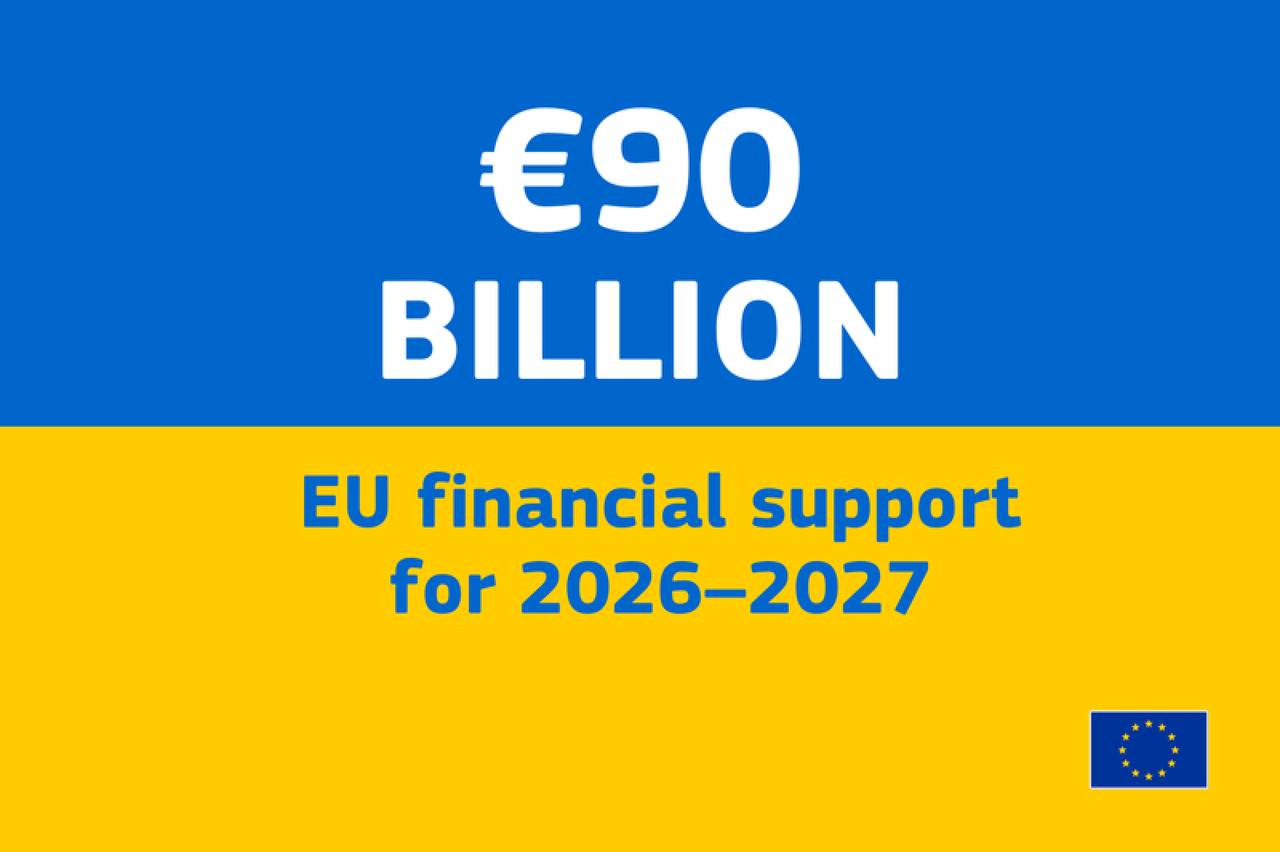
The EU has made the first disbursement to Ukraine from the €90 billion loan
The European Commission has disbursed €3.9 billion to Ukraine as part of the first defence tranche of a large-scale €90 billion EU loan. These funds are to be used to purchase drones for the Ukrainian army, which is one of the key areas for strengthening Ukraine’s defence capabilities in 2026. In total, the first tranche, earmarked specifically for the purchase of drones, is expected to amount to around €6 billion. The remainder of the sum, according to preliminary information, is due to be paid out in the coming days. The European Union explains that the funding is being disbursed in instalments for a reason: before each payment, the European Commission checks the contracts for the supply of drones. This mechanism is intended to ensure that the funds are used specifically for the agreed defence procurements, and not for other purposes. For Ukraine, this decision has significant practical implications. Drones have become one of the key tools of modern warfare: they are used for reconnaissance, fire support, striking targets, defending positions and reducing risks to troops on the front line. This is precisely why investment in drones is seen as one of the most effective ways to rapidly strengthen the Ukrainian army. According to UA Service HUB, the total EU loan of €90 billion provides for two major areas of support for Ukraine in 2026–2027. Of this amount, €30 billion is to be allocated to budgetary support, and a further €60 billion to defence needs. In 2026, Ukraine is set to receive €28.3 billion from the defence package to support and develop its defence industrial capacity. Future payments are not intended to be directed solely towards drones. It is expected that the funds will also be used to procure ammunition, missiles, air defence systems and other weaponry necessary for the country’s defence. This approach demonstrates the EU’s long-term support for Ukraine and its commitment to strengthening not only the army’s current capabilities but also the Ukrainian defence industry in the long term.